
How Do You Take Scratches Out of Glass Windows and Doors
A scratch on a window or glass door is one of those things you can't stop noticing once you've seen it. The good news is that most scratches can be removed without replacing the glass. The trick is knowing which ones you can tackle yourself and which ones need a professional, because the wrong approach can turn a small mark into a bigger problem.
How Do I Remove Scratches from Glass?
Very light scratches can sometimes be reduced at home with a cerium oxide glass polish, a soft felt pad and plenty of patience. Deeper scratches need professional glass polishing, where the damaged layer is sanded back in stages and then polished until the glass is clear again. The fingernail test, covered below, is the quickest way to tell which group your scratch falls into.
First, Make Sure It's Actually a Scratch
Before you reach for any polish, clean the glass properly. A surprising number of "scratches" turn out to be paint overspray, dried silicone, sticker residue or hard water marks sitting on top of the glass.
Wash the area with warm soapy water or a mild glass cleaner and a soft microfibre cloth, then dry it and look again from a few angles. Avoid scourers, steel wool and razor scrapers. Scraping can drag grit across the surface and leave fresh scratches behind, especially on toughened glass.
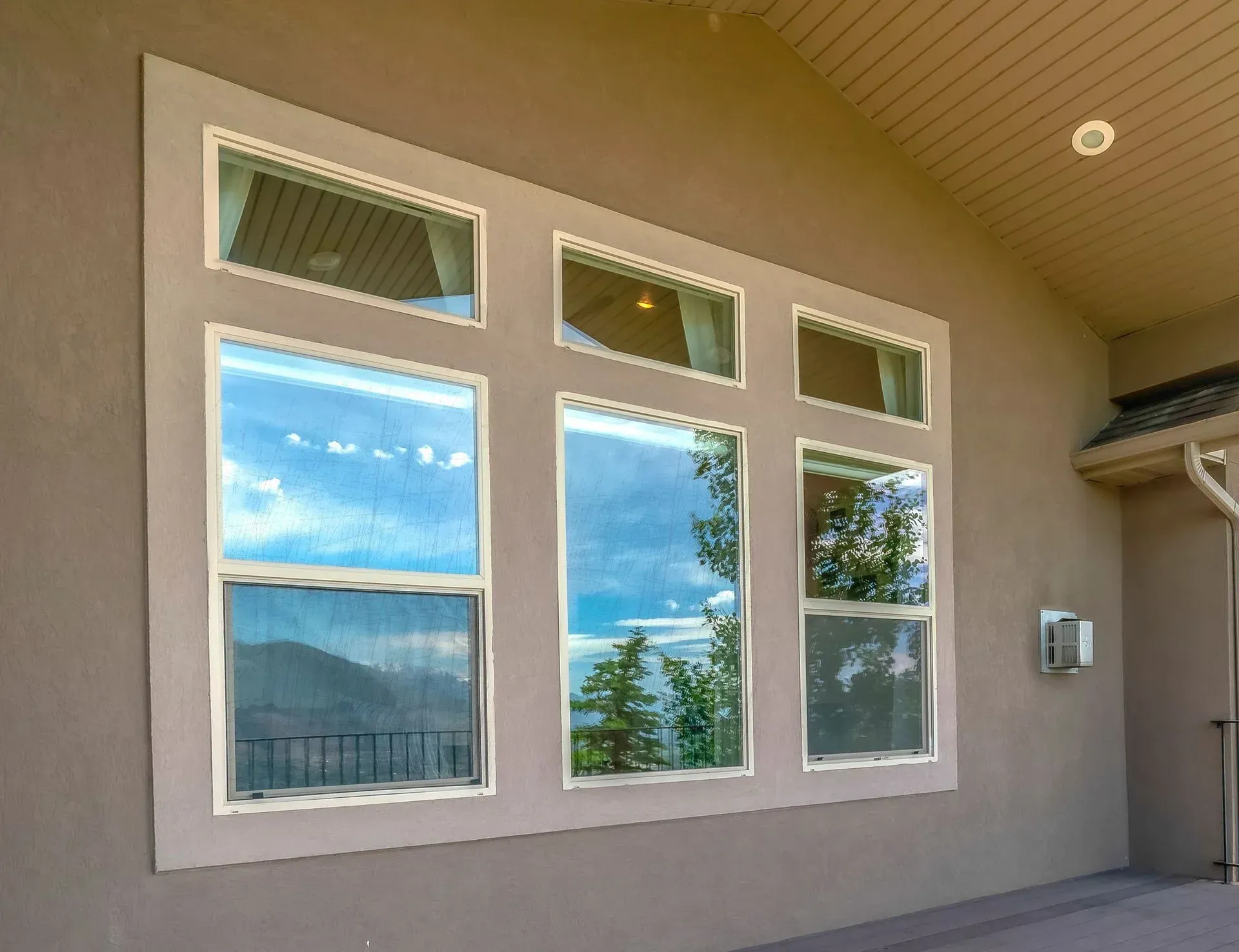
The Fingernail Test
Run your fingernail gently across the scratch, at a right angle to it.
- If your nail glides over it, the scratch is light and only affects the very top of the surface.
- If your nail catches, the scratch is deeper. It can usually still be polished out, but not with a home kit.
It's a rough guide rather than a precise measurement, but it's the same quick check we use when someone asks whether their glass can be saved.
Removing Light Scratches Yourself
For a light scratch, a glass polishing compound containing cerium oxide is the right tool. It's the same type of compound professionals use, just on a smaller scale.
- Clean and dry the glass thoroughly.
- Apply the compound according to the instructions, usually as a wet paste.
- Work it into the scratch with a felt pad or soft cloth in small circular motions, going a little beyond the edges of the mark.
- Keep the area damp so the compound doesn't dry out.
- Wipe it clean, check your progress, and repeat if needed.
Go slowly and keep the pressure light. If you're using a polishing pad on a drill, keep it moving rather than holding it in one spot. Concentrated polishing can leave a shallow dip in the glass that distorts the view through it.
You'll also come across plenty of online hacks, like clear nail polish, toothpaste and metal polish. At best, these hide a mark for a while. At worst, they leave smears and residue behind, and metal polish isn't made for glass in the first place.
When to Call a Professional
DIY polishing has its limits. It's time to bring in a professional when:
- Your fingernail catches on the scratch - Deeper scratches need to be sanded back in stages before they're polished, and that takes the right equipment.
- There's a lot of damage - Dozens of scratches from a builder's clean or a careless window wash are a big job to tackle by hand.
- It's a large pane or a feature window - On shopfronts, balustrades and big glass doors, uneven DIY polishing stands out.
- The glass is coated or has a film on it - Low-E, reflective and filmed glass can be damaged by polishing, so it needs to be assessed first.
- It's high up or hard to reach - Upper-storey and high-rise glass is a job for trained rope access technicians.
- It's etched graffiti - Acid etching chemically changes the glass surface, and a home kit won't touch it.
How Professionals Remove Scratches from Glass
Professional glass scratch removal follows the same principle as a home kit, just with far more control. We start by assessing the scratch and the type of glass, whether it's float, toughened or laminated. Deeper scratches are sanded back with progressively finer abrasives until the scratch is gone, then the area is polished with a cerium oxide compound to bring back the clarity.
Done properly, there's no haze, no cloudy patches and no visible distortion, and the glass never leaves its frame. Light scratches are often done in a few hours, which is a lot quicker and cheaper than waiting on a replacement pane.
How to Stop Scratches Coming Back
A few simple habits go a long way:
- Rinse off dust and grit before wiping, so you're not dragging it across the glass.
- Use a clean squeegee and soft microfibre cloths, never scourers or abrasive cleaners.
- Make sure your window cleaners know what they're doing, especially on new buildings. A lot of the scratching we see comes from a rushed builder's clean.
- Protect glass during renovations and building work, and keep grinding and welding well away from it.
Not Sure What You're Dealing With?
If you've got a scratch you can't shift, or you're not sure it's worth trying yourself, the Glass Polishing Australia team can take a look. Call us on 0426 190 254 or request a free quote, and we'll tell you honestly whether it can be polished out.
Categories